





Menu
f

Bhigwan:Maharashtra’s Hidden Wetland

Bhigwan: A Deep Dive into Wildlife, Biodiversity, Migration, and Human Connection in Maharashtra’s Hidden Wetland

F
Bhigwan, a quiet town located between Pune and Solapur in Maharashtra, is far more than just a scenic stop near a backwater. It is a living, breathing ecosystem shaped by water, time, and human interaction. Formed by the backwaters of the Bhima River due to the presence of the Ujani Dam, this landscape has transformed into one of India’s most important wetland habitats. At first glance, Bhigwan may appear to be just another rural lakeside area, but beneath its calm waters and wide horizons lies a complex ecological system that supports thousands of species, sustains migratory life from distant continents, and connects deeply with the livelihoods of local communities. This is not just a birdwatching destination—it is a story of survival, adaptation, and coexistence. 

AVvXsEjyIYPD7WkZ8Ah1iSFOUuAeASWXJzRjxh9khDU DMLll0D7V8ROtxQwfveUmg95UhOw9Lx6Ft1mn20fb Pyewn296lGfr2ePVKhZKXynEIpn6osjuKMDgXfJlf P57cNWQJ9O1U0UrnyZwdF8D006Ghmp F7Pjnly6HE4L57o46RAIsZ945mgbfdzvr9f4

 To truly understand Bhigwan, one must first understand the nature of wetlands. Wetlands are among the most productive ecosystems on Earth, acting as natural filters, flood buffers, and biodiversity hotspots. The wetland at Bhigwan is not static; it is dynamic and ever-changing, shaped by seasonal variations in water levels controlled by dam releases. During certain months, vast stretches of shallow water spread across the land, creating feeding grounds for birds. As water recedes, muddy flats emerge, revealing rich organic material that attracts a wide range of species. This constant transformation is what fuels the ecological richness of Bhigwan.
AVvXsEjE4xB1PD9YbBotgfm2 J4i7acERswj HShBRTWlKMLL UrOsvq9KOUDF3rpgI3hUUg3 Ma4JJW4cqxLfo7nlLQlvFnC1szJwWQdk1QGPTIzQHc7UfyZw5TX7SkkESf X4hJHjdZQkebToJnIx1SUQsgVpUuJ8Vj2EwllDdeWYpd0F I40HRJzTNr6lWc
wetlands
AVvXsEhXNukgo 46ga8JGzO7oujMhE8Ozxc So0Gu4zwLfz5XZiBnukb1TMoxibULIXxavtMPtCOflajQ7mu GdZ0lGm8zashGDq51153JiecZIDgN43WOe2QGSo AlWuxjaBRGOda2gCJcZqa0IypZN2bz5rocy VtWz2ydc WoiAhi5D9ZffoUR KT07qxfBc=w335 H243
            
                                                                     wetlands flood buffers
   
AVvXsEhjelGKyJF58US0iFKtaX1lR R9saBPMLSJ69ZZ4SUKqQwkuKvrSU1vFoHRlvdxL8RlSm3YZPM6niw6Oi F8YrNu1Iacyc0unE2BuoANIpixFpp1fnVHVndUHDFJeCi4EJUAEkPdoU4NbfkKwdlPTgQz2 ChdVGyowjftkH6WxcdARgB4DcsQuOOlzMxeU=w142 H216AVvXsEhI7U Bc79MGAGqhukGmH1BgRoTMd3pM0spp3URgcXiA7fE7hpGBgnnJe0OymNO99NfFGPeoWOPzCOQkTJuEcbeqi5Nygquj RIax ZgSXpiu0PrtB2X70v5 Nzfe8obhqOYVTSLBKNigEsitx2nYW4r4Ulr8tDKqZOGpzrjYa6L7vkB2FgdA5d37mYaL8=w216 H197AVvXsEhVYTam3hSW7HpTawlKmHMSecjVZYw1na6j SJdj FQOPJ MnIqQ5Os8l8UtHSuz4o1xKnjQTglXJN6OMgifAPfovaOLs4hujszh66JkZPeUbdMJ3AssaQ8fxS0fSdRNx9p7 NifNfl2nr DwD9dUSVuLoHis2oBtcVY5on2HhXP69yHl66wQ SzvvlwRc=w209 H207
        wetlands changes

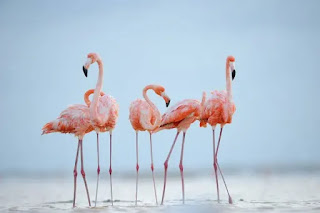
At the heart of Bhigwan’s fame are the flamingos, elegant birds that have captured the imagination of travelers and photographers alike. These birds arrive in large numbers, especially during winter months, forming striking pink flocks against the calm waters. The presence of greater flamingos is not accidental; it is the result of highly specialized ecological conditions. Flamingos feed on algae, plankton, and small aquatic organisms found in shallow, nutrient-rich waters. Bhigwan provides exactly this environment, making it an ideal feeding and resting ground. Occasionally, lesser flamingos are also spotted, though they are rarer and more unpredictable. Watching these birds feed, move, and interact in their natural environment is a powerful reminder of the delicate balance that sustains life.

AVvXsEhwxcxrtdK2QXyhxqrSmuB6Qw36aWekZVY Jf7wlbyPxJIi6wwc2ZP0NpkId79rL1YkeRt89lzvfmB75sQpNagopPUesyrF2AZjgzOXrXIpS I0ZzOcCyj 0qX8jdU21Cy73AG L2esJ9LLJzhyol5h08JtwisSQB 9Ib6ZYMdMKJifyw NL2 PiG2AGWE

wever, flamingos are only one part of Bhigwan’s vast avian diversity. The region lies along the Central Asian Flyway, one of the most important bird migration routes in the world. This invisible highway in the sky connects breeding grounds in Siberia, Mongolia, and Central Asia to wintering habitats in India and beyond. Each year, thousands of migratory birds travel thousands of kilometers, navigating weather systems, geographical barriers, and ecological challenges to reach Bhigwan. Among these are ducks such as northern pintails, common teals, northern shovelers, and garganeys, all of which rely on Bhigwan’s waters for survival during the winter months. Their presence indicates that the wetland provides adequate food, shelter, and safety.

NorthernPintail

northern pintails

Equally important are the wading birds, which include sandpipers, stilts, godwits, and redshanks. These birds are specialized feeders that probe mudflats for small invertebrates. Their long legs and beaks are perfectly adapted to this environment, allowing them to exploit food resources that other species cannot. Larger birds like painted storks, openbill storks, and spoonbills add another dimension to the ecosystem. They feed on fish and amphibians, occupying higher positions in the food chain. The presence of birds of prey such as marsh harriers and peregrine falcons further indicates a healthy ecological balance, as top predators require a stable prey base to survive.

AVvXsEiHt5ZPZ6kYI3moynIPVqAJHRegkH6yMzeaVPZSc BA2SDnQBHy TnhZBGiAr8BXGaisEb ZDW DOs JtfjAvKTqwW5d3SOeJgm8gXFBawnbB4Cf2DuYq7xg1y DvLrnEqS1R0sgNLnLn44CvXmDRRBWuLAitB7 FrVJhlrV9cJmqovnQy4f7lexWFUSz0

AVvXsEhe RKbDkdiA82 5 CQdm6yPmDAMneK5F 8hvTHupQtiZhkcgXrJmNyj6lsJErhcmFxr9DX WeOz5WNO KgJBaPI6eAHx Z6n5pj54ipEtnJuQVf48ltUgO6HIRpDhwa HPzEmnF05Q86e9h2qyVznr1Mz3fZKWfr2hflhne23pBE9lU UOgAmkvuJ9rjk

black-tailed godwit

Beyond the commonly seen species, Bhigwan occasionally hosts rare and conservation-sensitive birds. Species such as the black-tailed godwit, Eurasian curlew, ferruginous duck, and bar-headed goose are significant because they are either declining globally or are not frequently seen. These birds depend on a network of wetlands across continents, and Bhigwan serves as one of the critical stops in their journey. Even rarer sightings, such as the steppe eagle or lesser flamingo, make this place highly valuable for birdwatchers and researchers. Each rare sighting is not just a visual delight but also a signal about the health of global ecosystems.

AVvXsEirMFxeXoMc5b9oH6eYNAxEwhJKx9 PhwEm0VRRYaVO3o36 LKdnePBdUaU6XowArpbzpFWIAUi8dlfeT8uH1MuKrddMw7D34wGNb7RzeCsvrJ Hqb SaL5sjj0KVZSjy 5VKDyJeQ5MGhIIbaFs37QJ9TRnKBEUNWivq Sw HWAKMc5XhABJ2swxX4Ks0

While birds dominate the narrative, Bhigwan is also home to a wide range of other wildlife. Mammals such as the golden jackal, Indian fox, and occasional jungle cat roam the grasslands surrounding the wetlands. These animals play crucial roles in controlling rodent populations and maintaining ecological balance. Reptiles such as monitor lizards and various water snakes contribute to the food web, while amphibians thrive during the monsoon season. Beneath the surface, aquatic life including fish and plankton forms the foundation of the ecosystem. Without these microscopic organisms, the entire system would collapse, as they are the primary food source for many bird species.

AVvXsEiOUo0o 40FwTbVBq8SlmGClijnCOICyJ2g 3dYKxw W7tvcZkpM6ry1j2eQfz6EQPYmauPEp2fknMuWOtUBgEMHypnP CKRkLKK8bWSk0lTyvBek9DEEy96nj 7Vbf4EcercYfCFT OQAaGISy IS48RGd G9IW3MGev0lQnH31PMxaNw7BOv7 DUj4ME

 indian grey wolf

AVvXsEi VGfb3MN6IdhxwxCWM30k5inEHPEjeK2TdLgEzzN12BukNDX2qpF76IiLIM2oeHXN8 PqqDdPVTa8ecQOxDaNFhj3X46QwUTPtnQyYyal07g33b72rWSNFIb794sVpiG3sguHEJwdJlKo1d3dasouJimnd7lUaRYMOLDWefHnTXtFcS QxMfvdw5sdKI
 Indian fox
AVvXsEgNjyTitkQ7PAd2HKmLUFHEnSlgfrxJDAl9IEWdH ZWnivQNG64j7NrtgjlTVfElNItEz5eIcENHqWGGoUc PNGh6DXfGOO6rZ7HgWIj9H0NBpr5ttQ BEqw6FAbqLbGYJvWGB9ZoO5RCJovfr81k0jHnhQ3X3fHHLxHhZnw4M2ICVxbzRIXhy X6AUF3U

Striped Hyena

AVvXsEiUv8b6SqAiEtsaQYGElMOgKSa0tmDqy0iu2eImcUbnVHq A3rpIYzs5oH5QiWPe18mdWeorCkIUX7vo6qwxKDcOWWQ6 UmBFqq29PeNevtc7dP N6T4mw7IEyNN0G4SWABAQzS JQMN1SJOc8aSyELafMiyUrDGh5RdbMmxgwpGDOlVOpAtmlorshZ SM
Indian Gazelle
AVvXsEitr Qt0y5l0VkedgKhuQ6EE5tLmE59c7 61G2TxwvWBCQVwrjGFpyNaoqW8JK5as3gBOAf9Cq6iVy1t9CEjhvEtMuL OL52hvqWvoCjEojv SZ8ad9t4EfsWl8GhTroLaApWEQ0Uqsl5hEluBVo4KP1yRopExFmTWlGwWMjTtM6SlR6UDuCnUb0u4hm5Q

Indian Grey Mongoose

AVvXsEhIIQk0YOI7W AgBefupeYZaZyOSdRWCuhEJLfavi2f08rwikhmGHOUkuPp7Nkc5we3JqM91whuwNpI4222KzVGjFQf93haINnb4mC Dip4NhUTFKnvCC8xYmTRaaZ19eCT7EXJWvW9kJXX J7J1drcGT U Dwzbf7vwXoQyL8ibbKsvo2i5J1vDcEc X4

Black-naped Hare

AVvXsEiCLX4tQvGZ9XBdzWF0p8EBVRDaT CoBv8lZlOaDbVFwGEC3nI3bgD2s0xGtWCHlZ52i38jUTNOGDYltRlfcGBSgtr15xpskTLgvZasGE5Pz LWEFTpDbsP4jf6Pv8IceTVlauWnB8tAT02TU3X CpVjzrjC32VftbjV BmcIRu4dGFBS IuphMeqCBLoQ

Palm Squirrel

The surrounding grasslands are often overlooked but are equally important. These open areas provide hunting grounds for raptors and habitat for ground-nesting birds. They also support insects, which in turn support insectivorous birds and animals. This interdependence creates a complex web of life where every element has a role. Removing or altering one component can have cascading effects throughout the ecosystem.
AVvXsEgpCOXEpERdgrpk5ug2N7 ARkLI 7 Xiuqwr3BioKhWZUvlg UrheG7oW4jOTygM1tUwLSWCrjWWU2UXmJtjps THsofkYS2RYXEcOol1CHwqXPnMPHd4Dv2BEuD8LkI0nYeuh 6leporpY 5kA4Uh62qNtgq4bfyhrRQySDTE2pFhbiTonNrpcIakGftM

 ccasional jungle cat 

Leapords

leopard

However, Bhigwan is no just a natural wonder—it is also a space where human life and wildlife intersect. Local communities, many of whom were originally dependent on fishing and agriculture, have adapted to the presence of tourism. Fishermen now operate boat safaris, guiding visitors through the backwaters to observe birds at close range. Farmers have begun hosting tourists, offering homestays and food, creating a more diverse income stream. Photography tourism has also grown, with specially constructed hides allowing photographers to capture birds without disturbing them. This transformation represents a shift towards eco-tourism, where economic benefits are tied to conservation.

Yet, this coexistence is not without challenges. Human-wildlife conflict exists in subtle but important ways. Birds feeding on agricultural fields can impact crops, leading to tension between farmers and wildlife. Water management decisions, particularly those related to the Ujani Dam, directly influence the availability of habitat. Too much water can flood feeding grounds, while too little can dry them out completely. Pollution from fertilizers and human activity further threatens water quality, potentially affecting both wildlife and local communities.

Tourism, while beneficial, also needs careful management. Increased boat traffic, noise, and human presence can disturb sensitive bird species. Flamingos, in particular, are highly sensitive to disturbance, and repeated disruption can affect their feeding patterns and energy reserves. This highlights the need for responsible tourism practices, where visitors maintain distance, minimize noise, and respect the natural environment.

From an environmental perspective, Bhigwan faces several threats that must be addressed to ensure its long-term survival. Climate change is altering rainfall patterns, which in turn affects water levels and migration timing. Habitat fragmentation due to agricultural expansion reduces the available space for wildlife. Pollution and nutrient runoff can lead to ecological imbalances such as algal blooms, which can disrupt the entire food chain. Over time, these pressures could degrade the ecosystem if not managed properly.

Despite these challenges, Bhigwan remains a powerful example of how human intervention can unintentionally create thriving ecosystems. The Ujani Dam, though built for water management, has resulted in the formation of a biodiversity hotspot. With the right balance of conservation, community involvement, and sustainable tourism, Bhigwan can continue to support both wildlife and human livelihoods.

AVvXsEitdPONm1SlAPHdGWotCgX9VXAtBpd2oz4hH2ek9qiwlhN0I2SFZw9csz1NWJbM8hMS4OE YaJZgDDyhO7M6Ugjd GhajSalX Q9Up19fr PMtFiNPpewMrGBLqT7ZX RVeqS43U0M 78qkS9NjJCgGXhpTIbHkoKn6ibOefkfCv6IGLvzVscElLph1xk0
Bar-headed Geese
AVvXsEjxbc5QjhTGEsB0dhskT5qXaqWuzNRdRXkSH3C3T5Aha3tRa5tWc8Tr60qX7brfIHwrd40kMWPdRV9bjzgpBss29L4a RiL0yxm ZgL2IBzXOhxeG5WC0 W83vf E1mSKHToCtUT3GCfMB0VM7RXFHU5MBaEa1u0Vm 2kN8 1TH48ILjn07hjG7wH7 IMI
sandground
AVvXsEikWb HMODuWl2JNb5xDNnXT6fdFf9AkDLEDHG8vhGL3JvKsD7ysG8QXtCKSWQSuMnC993H IxnCgY6SNO AGnfITahNru3BS3aU8Yi03yDQdoiwqQZfNE8By U7lNAojxpjDpG3zieOXnp9QA4AyDNgPBA8v6H9Yhhj4iakjIVFgtQcuRfGLflJGTtojw
ibis

AVvXsEjwSRRbI9PZk2Xj M3j5cmMc24KnCP5uxcYRicWgQCHFs1PFWxD3GXfY1fiXtX 1ajFaxMnHBJ6 2EfC9wvOeH81nRLTviMzvllyRDUf6jBdMEjOHprlvNtQmdK3Gl6DzRXYbRhnFWlyRQEepR7h ZoJlS98scr2aSTlW4Shr GGOMgA9Uqrfs7BZQJiW0
Indian courser

AVvXsEh D7k H5nLamIgjhM5sazrDsLlI7UCjkDDcITKgHgDaWzfpp2piK CBwn3 OibQMd99FOwX4jjfezeRx PN39zROEH5vUBBJt8X Om2cgCeB2ERuSQsAledIcKk3k04D W4yeCEhM0DJenQbTrQ FToL4mLfLQzHkLQomxcue9DKUglk0K C KpbP96s
Bonelli’s Eagle
AVvXsEjujr KR4DS1nZFdNAJLvbXN1TpC8tWIzpHJ2Bw1j2779M8YWIPF1H7VvFDANS2bGXG3IakEDG 1Ta7buF2r4JMIy0q2rD1IeNGPew8BFaoXFU6mimvKC5iVJZQSqxszV S3ivL7SQGbuXRobESvFFwZzkvIVYO88WNi6ny2B08KO20MB XKdIYj 5k9nA
peregrine falcon

AVvXsEieysu4VJYARivyRoAjmrG3xAOVTexckAckGGfrs R0Ry2PJErSz0PIFbTsZr Cnq5atCvZdbVPs5xJbp0gBj5UHxGBqja MTOwiOj0rpZlH NFuAMrX ZVVECg5oFDk7p74wKh849fYfOHe9vB6sNIANZUfENAKzm9efxe1CSYJjSbIzdnBrNuKbj7 S

Short-toed snake eagle

AVvXsEhg7pu1NB8B3Z37Ego7ScPtpU2cQH4RxoUCRuX Ju5pimLFAixjDvogZJ4IR2zhbTQnO4spNNO E2RfZMO5QAzo9jo3Cnk5bRq8go65Eb3 ObZbhAbHTEIWBUdUV1 ITi0UzKTeHfzXhEaOH3Y4dNIzoVwI JstzpSk1WkPzn36WpgcZTJJc4XetJ3tYMU
Indian chameleon
AVvXsEjh1ryu0otsdTqotpPus6EoSzN8WsHqCMh2UNvYv6uHG7Kv28fWTzOeYxy DUQnObIR7yresc05zudWjlgmRfCVFvAt5 M6 UhU53rjD7jmUVE6yj 7EhrEMZUE31vsne8UCg8lrvPdc9GsNGRpYTC7 JqpW9b1C7ZGMeUq9jJqeOG QVsgFAZ WuWg3U
Monitor lizards

AVvXsEipf0lK5oGzRoW3R2SW7GyWTDfWz4 Q4xg1cek4i8ym9xtSGtPEg9o31hnIR6eyD78iwcEBRuYKKmrKd4aUD2G5X9 MQXys3G8DBBDnGcC Azac ZPQXirnpppjU3NK5UbGYICvgzBqnlg5LcfoKN8 QLD9E3aXUGj7BejYIbQi8SvLwWUy5wh 2IEgJOk
Russell’s viper

In conclusion, Bhigwan is not just a destination; it is a living system that reflects the interconnectedness of nature and human society. It is a place where migratory birds complete their long journeys, where rare species find refuge, where predators and prey maintain balance, and where local communities find sustainable opportunities. It teaches us that conservation is not about isolating nature from humans, but about creating systems where both can thrive together. Bhigwan stands as a quiet yet powerful reminder that even in a rapidly changing world, nature continues to adapt, survive, and flourish when given the chance.

Bhigwan Wildlife Sanctuary

Anand Sangale

Leave a Reply

Your email address will not be published. Required fields are marked *